

Most GA4 guidance assumes you’re running a business website. Government sites operate under entirely different regulatory constraints when tracking user behavior, making standard implementation advice insufficient for public sector organizations.
GA4’s widespread adoption stems from features that work well for businesses: detailed visitor tracking, machine learning insights, and advertising integrations. These capabilities create significant compliance challenges for government agencies handling citizen data under strict privacy regulations.
GA4 isn’t automatically off-limits for public sector sites, but successful implementation requires understanding these regulatory differences and planning accordingly.
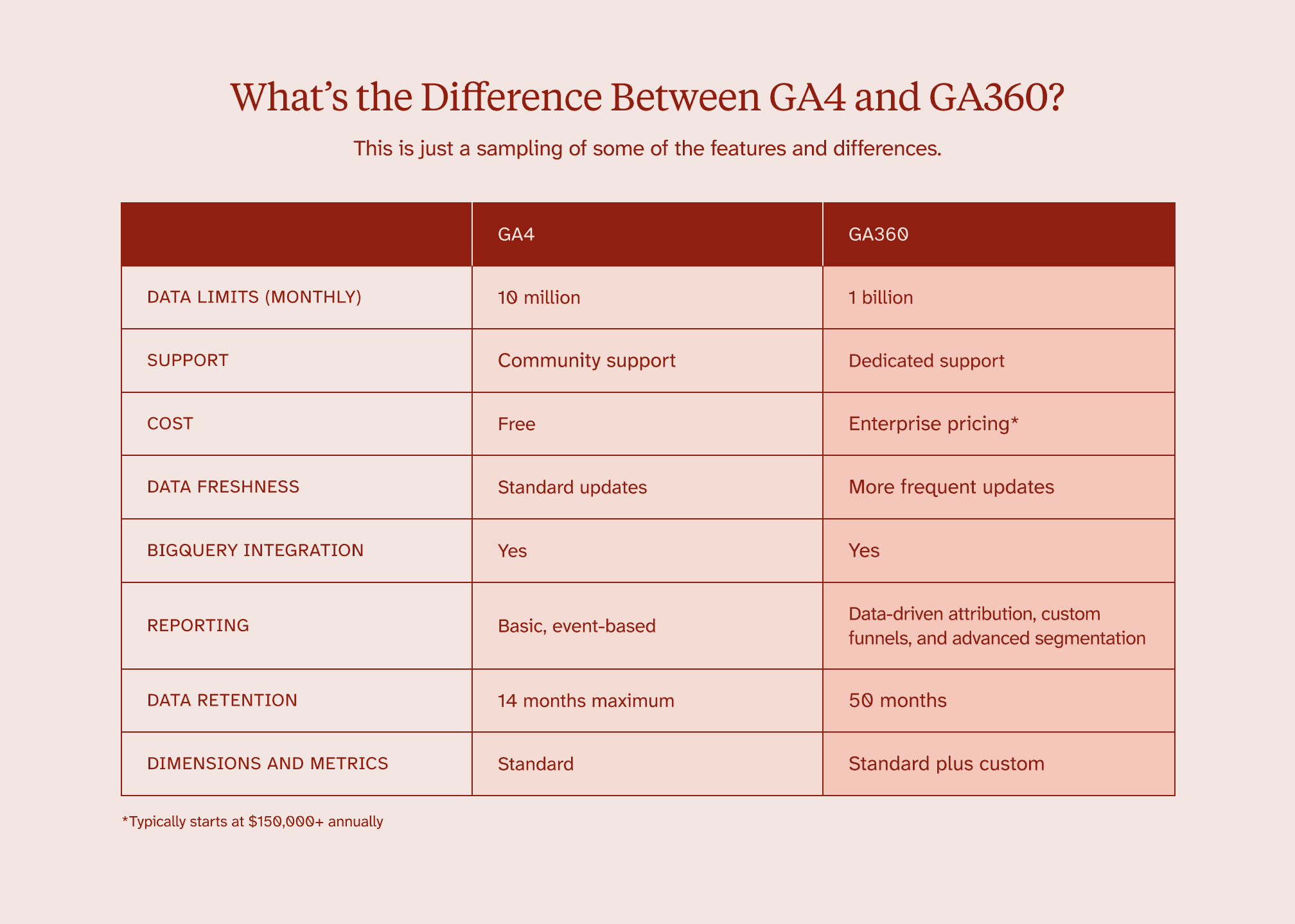
Note: Federal agencies are required to participate in the Digital Analytics Program. DAP is a government-specific program and tool provided by the U.S. General Services Administration (GSA) that uses the enterprise version of Google Analytics called Google Analytics 360. Analytics are reported under one federal-wide shared account. Though DAP is required for federal agencies, they are not limited from using other analytics tools. DAP, including training and support, is free for federal agencies.
Privacy Compliance in Practice
Privacy compliance for government websites requires more than just following best practices — you’re handling citizen data under strict regulatory oversight that demands explicit consent and transparent data handling.
Unlike private businesses that often rely on implied consent, government sites need explicit permission before tracking anyone. This means implementing consent mechanisms that work with GDPR, CCPA (California Consumer Privacy Act), and other applicable regulations.
Consent Management Requirements
While GA4 has some privacy-friendly defaults like not automatically tracking full IP addresses, government implementations need robust consent management systems that prevent data collection until proper consent is obtained, not just cookie banners users click through without reading.
These systems must also maintain accessibility compliance, ensuring they don’t interfere with screen readers or other assistive technologies.
Data Handling Constraints
GA4’s platform limitations create two key constraints that complicate government use:
Data Location Control: GA4 doesn’t allow you to choose where your data is stored, which creates compliance issues for agencies with requirements about citizen data remaining within specific jurisdictions.
Data Retention Limitations: GA4 only offers two retention periods: 2 or 14 months. This constraint significantly limits analytical capabilities for government agencies accustomed to analyzing multi-year trends for policy decisions.
Technical Implementation Safeguards
Beyond individual requirements, preventing personally identifiable information from reaching Google’s servers requires careful technical planning. Government websites often collect sensitive data through forms or include personally identifiable information (PII) in URL parameters. Your implementation must include safeguards to filter this information before it’s transmitted to GA4, which requires monitoring and testing to ensure ongoing effectiveness.
These privacy and technical requirements are not isolated; they must work together seamlessly while maintaining website functionality and user experience. However, even the most technically-sound implementation can fail without proper organizational support and stakeholder alignment, which brings us to the often-overlooked political dimensions of government GA4 projects.
The Politics of Implementation
Successful GA4 implementation for government agencies extends well beyond technical configuration. Public accountability comes with unique pressures. Citizens expect transparency when it comes to data collection on government websites, and your analytics plan must stand up to public scrutiny. Any hint of secret data tracking can bring public criticism, ultimately affecting your credibility.
Government procurement cycles add complexity to GA4 implementations. While GA4 is free, supporting infrastructure (consent management systems, staff training, legal reviews) requires budget approval and vendor selection processes that can drag on for months.
Government implementations usually require approval from IT directors, legal counsel, communications teams, and sometimes elected officials. Each stakeholder brings different priorities that must be addressed; you’ll need early engagement and precise documentation of how GA4 aligns with each of these various requirements.
Careful planning ensures your implementation meets accountability standards for handling citizen data.
Making It Work: Is GA4 Right for Your Public Sector Website?
GA4 can absolutely work for public sector websites, but you need to go in with your eyes wide open. It’s all about finding the balance between getting the insights you need to improve services and meeting the higher privacy standards, security, and, of course, transparency required for government websites.
The key is planning, involving all the right people with the right skill sets, and the willingness to invest in doing it right.
To assess if GA4 is right for you, we’ve provided some criteria around legal and regulatory compliance, privacy and data protection, security and risk, and the technical resources and skills you’ll need.
Legal and Regulatory Compliance
Do you need to comply with accessibility standards?
Two main website compliance standards exist: the ADA and Section 508 of the Rehabilitation Act. WCAG is not a regulatory body, but is a reference for ADA and Section 508 requirements.
- ADA requirements apply to state and local government agencies, nonprofits, and businesses.
- Section 508 requirements apply to federal agencies and departments.
Do you have to follow specific data protection laws?
Google’s Data Processing Amendment is designed to meet obligations, including GDPR and CCPA, but GA4 alone does not guarantee compliance. You must determine if you can configure GA4 to meet specific regulations.
Do you have special rules for your sector, like HIPAA for health agencies or FERPA for education?
GA4 is not inherently FERPA or HIPAA compliant. You may need to use an alternative if your specific requirements can not be met.
Do you have requirements about how long you can keep data and when you must delete it?
As mentioned above, GA4 offers two retention periods: 2 or 14 months.
Can you legally use cookies and tracking on your website?
You must evaluate if GA4’s cookie usage complies with your consent management requirements.
If you answered yes to most or all of these, you’ll need extra legal review and careful setup. In addition, you must determine if you need legal approval before using any third-party analytics tool and thoroughly review Google’s legal agreements.
Privacy and Data Protection
Considerations regarding visitor privacy:
What are your data collection limitations and requirements?
GA4 minimizes data by default, collecting only what’s essential to describe events. You can configure specific settings to reduce data collection further.
Do you need a system to get visitor consent before collecting data?
GA4’s Consent Mode lets you communicate your users’ cookie or app identifier consent status to Google. Tags adjust their behavior and respect users’ choices.
Do you have requirements about keeping data within specific countries or regions?
GA4 does not have a specific feature to permanently keep all collected data stored exclusively within particular countries or regions after processing. Still, it does offer some controls for managing data based on user location.
Do you need to let people see what data you’ve collected about them or let them delete their data upon request?
GA4 is designed to help you understand traffic and engagement trends; it does not allow users to see the data collected about them directly.
Regardless of GA4, be sure to have a clear privacy policy that explains your data collection.
Security and Risk
Security concerns involve more than your measurement tool. How secure does your website system need to be? Depending on your requirements, you must assess the risk of using outside services such as GA4 and other Google services.
Regardless of your measurement tool, you may need cybersecurity policies covering third-party tools.
Technical Resources and Skills
Regarding technical capabilities, you need to determine if you have the personnel to set up and use GA4. In addition to installing and configuring tracking code, you will need training, new hires, or outside help to:
- Analyze data and create reports
- Maintain and update the system over time
- Set up a tag management system
- Integrate GA4 with our other tools and systems
You’ll want to determine what you want to learn from the analytics. Questions to consider to determine if GA4’s reports will give you the insights you need, and if you’re prepared to act on what you learn:
- What specific information do you want to learn about your website visitors?
- Will this information help you improve your services?
- Do you need real-time data?
- Are there specific reports that need to be created to share with internal stakeholders or the public?
Alternate Solutions
The goal isn’t to use GA4 at all costs; there are always other options. Your goal should be to balance actionable insights with your legal and privacy requirements, and, of course, public trust. If GA4 doesn’t seem right for your organization, you can consider:
Digital Analytics Program (DAP)
DAP is a government-specific program and tool for federal agencies provided by the U.S. General Services Administration (GSA) that uses the enterprise version of Google Analytics called Google Analytics 360. Analytics are reported under one federal-wide shared account. Federal agencies are required to participate in the Digital Analytics Program, but they are not limited to using other analytics tools.
DAP, including training and support, is free for federal agencies.
Self-Hosted
You can install and manage analytics software on your servers. While they have fewer features, self-hosted solutions typically have better privacy features. We are not recommending any one of these in particular, you should investigate these further to compare them with each other and GA4:
- Matomo: Free, open-source code allows you to own and control all your website data.
- Plausible Analytics: Made and hosted in the EU, Plausible offers a managed service in the cloud, or you can also self-host using their Plausible Community Edition (CE).
- Swetrix: Similar to Plausible in many ways, Swetrix offers a cloud or self-hosted version of its software.
- PostHog claims to be particularly well-suited for product analytics. It includes event tracking, session recordings, heatmaps, and A/B testing.
GA4 Competitors
- Adobe Analytics: Advanced customization and data analysis capabilities.
- Amplitude: Advanced capabilities in user behavior and product analytics.
- Mixpanel: User behavior analytics, including retention and user segmentation.
- Clicky: Basic analytics and real-time tracking.
- Heap: Captures all user actions, emphasizing analyzing user behavior.
- Semrush: This is known for its SEO and marketing tools, but also offers several analytics features.
Hybrid
You can use multiple tools for different purposes.
No Analytics
This is generally not advisable, as analytics are invaluable for understanding and improving your website’s performance.
Summary
We’ve discussed government agencies’ unique challenges when implementing GA4, primarily due to strict regulatory constraints on citizen data. GA4 may work depending on your specific requirements, but it will likely mean:
- Implementing proper consent management
- Configuring appropriate data retention periods
- Regularly auditing data collection practices
- Adding privacy-enhancing measures like server-side tracking
However, for highly sensitive government functions or strict compliance requirements, consider alternatives like self-hosted analytics or more specialized government-focused platforms.
The implementation of GA4 within the public sector requires more than standard guidance — it requires technical and compliance expertise. Reach out to schedule a consultation today.
Related Insights